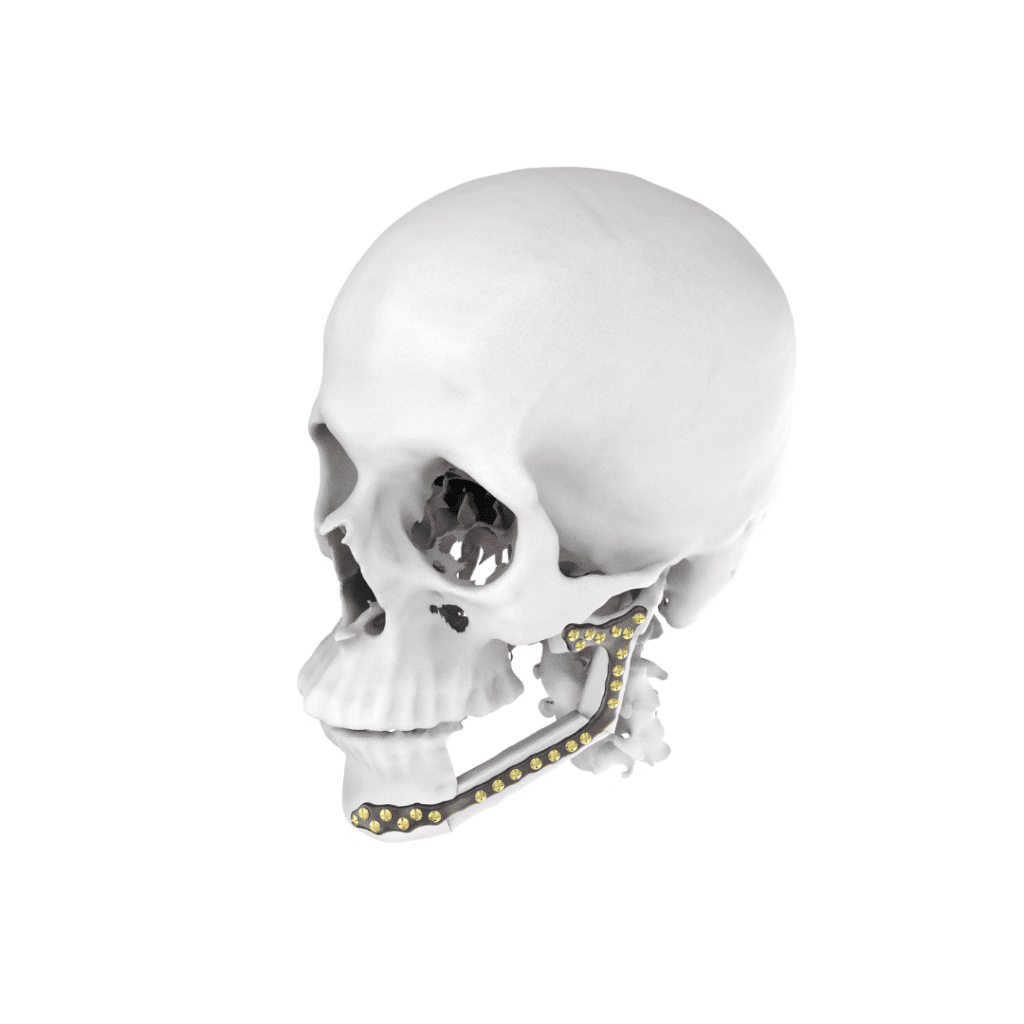
Customization: Tailored to the unique anatomy of each patient, ensuring precise surgical planning and execution.
3D Printing: Utilizes advanced 3D printing technology to manufacture the surgical guide with high accuracy.
Compatibility: Can be used with various surgical instruments and implants, facilitating seamless integration into existing surgical workflows.
Materials: PLA, ABS, Nylon, Resin, Titanium ELI
Sterile Packaging: Provided in sterile packaging to maintain aseptic conditions in the operating room.
Anatomical Landmarks: Includes clear anatomical landmarks and reference points to guide the surgeon.
Patient Safety: Minimizes the risk of surgical errors and complications by providing a roadmap for precise surgical actions.
Digital Integration: Integrates with digital surgical planning software for seamless preoperative preparation.
Reduces Risk: By simulating the procedure beforehand, surgeons can anticipate potential complications and plan accordingly, reducing the risk of intraoperative surprises and complications.