Home/blog/Meniscal Preservation to Restoration: A Modern Algorithm Integrating Repair Strategies, Auxein Solutions & Post-Meniscectomy Syndrome Management
Meniscal Preservation to Restoration: A Modern Algorithm Integrating Repair Strategies, Auxein Solutions & Post-Meniscectomy Syndrome Management
Abstract
Meniscal preservation is central to modern knee surgery. Loss of meniscal tissue alters biomechanics, increases contact stress, and leads to post-meniscectomy syndrome (PMS). This article integrates pathology-based repair strategies with Auxein’s meniscal repair portfolio and evidence-based restoration approaches including scaffolds, transplantation, and high tibial osteotomy.
1. Meniscal Function & Biomechanics
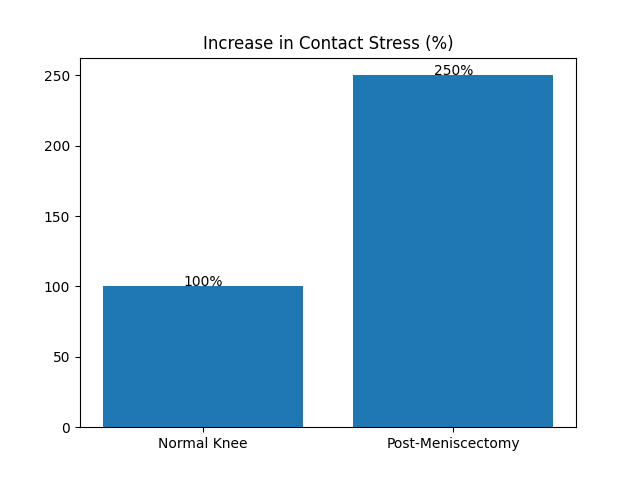
The meniscus is essential for load distribution, shock absorption, joint stability, and lubrication. Meniscectomy reduces contact area and increases peak contact stress, accelerating cartilage degeneration and osteoarthritis progression.
Figure 1 Post-meniscectomy leads to ~150% increase in contact stress, driving cartilage degeneration.
2. Meniscal Tear Patterns & Treatment Strategy
Treatment depends on tear morphology and vascularity. Red-red zone tears have high healing potential due to rich vascularity, red-white zone tears have moderate healing capacity, while white-white zone tears have poor healing potential due to avascularity.
3. Meniscal Repair Strategies & Auxein Solutions
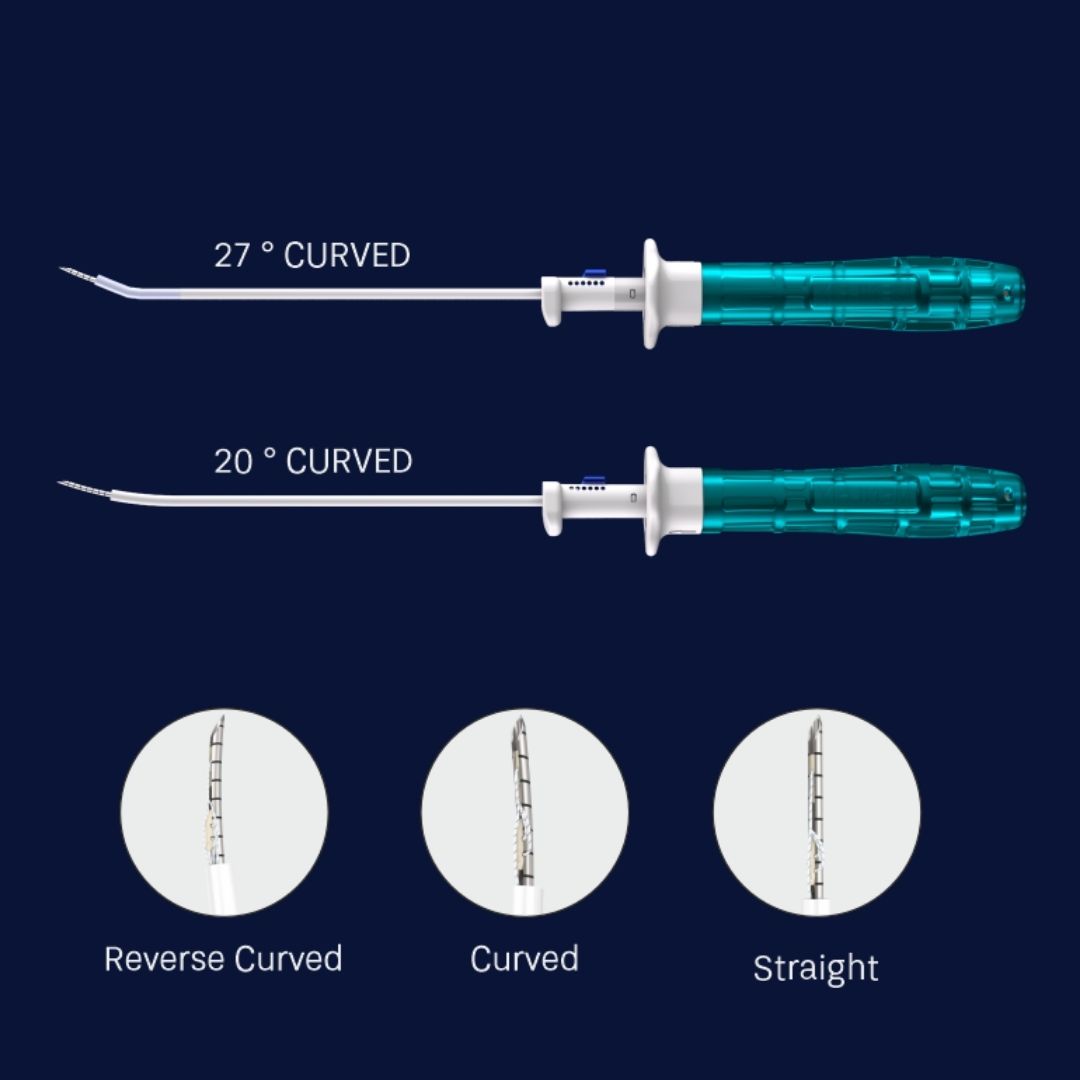
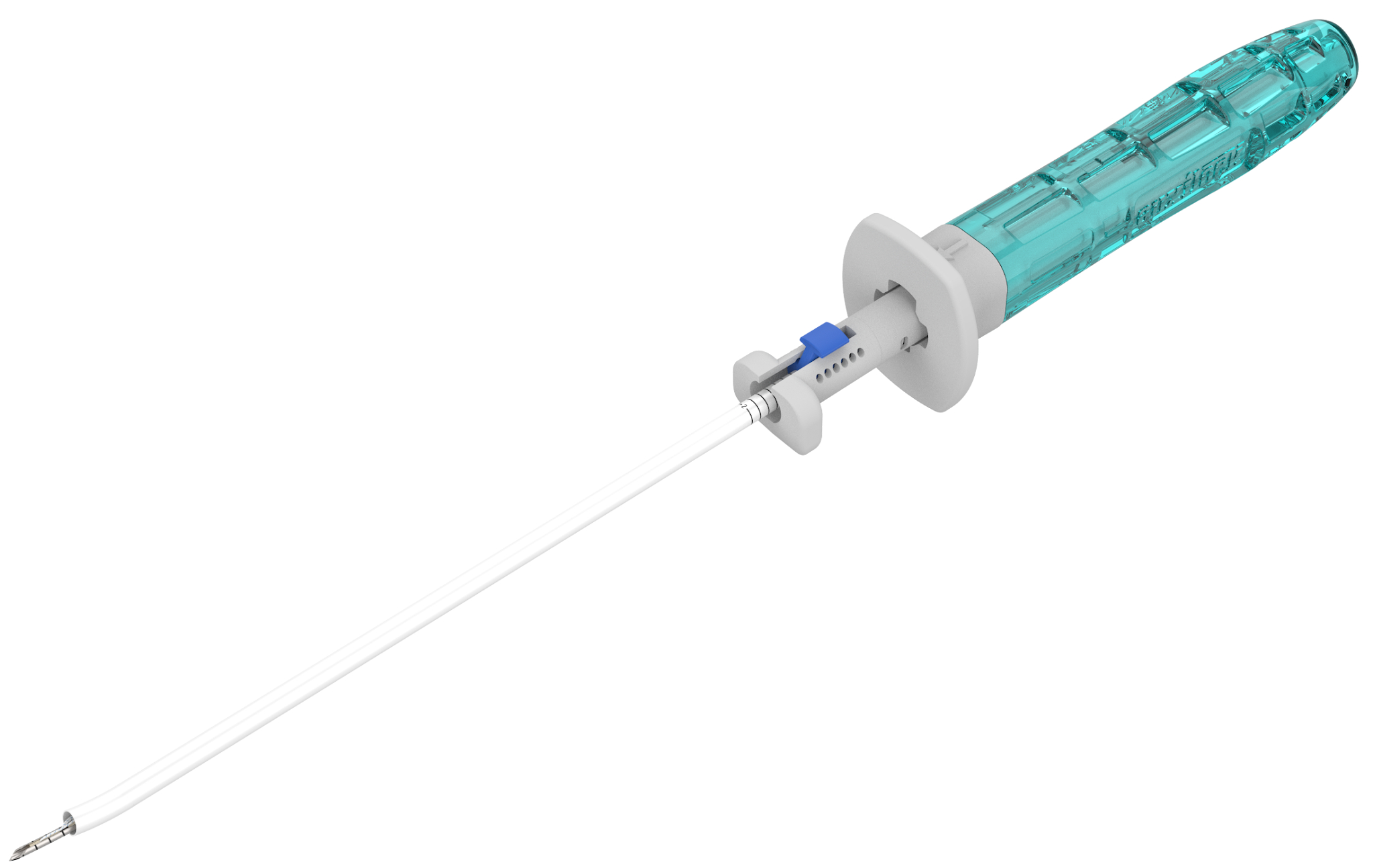
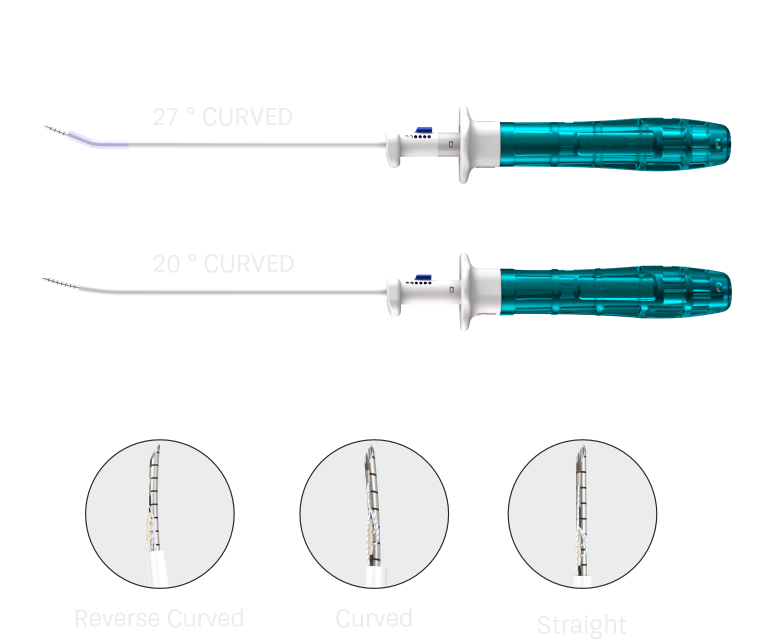
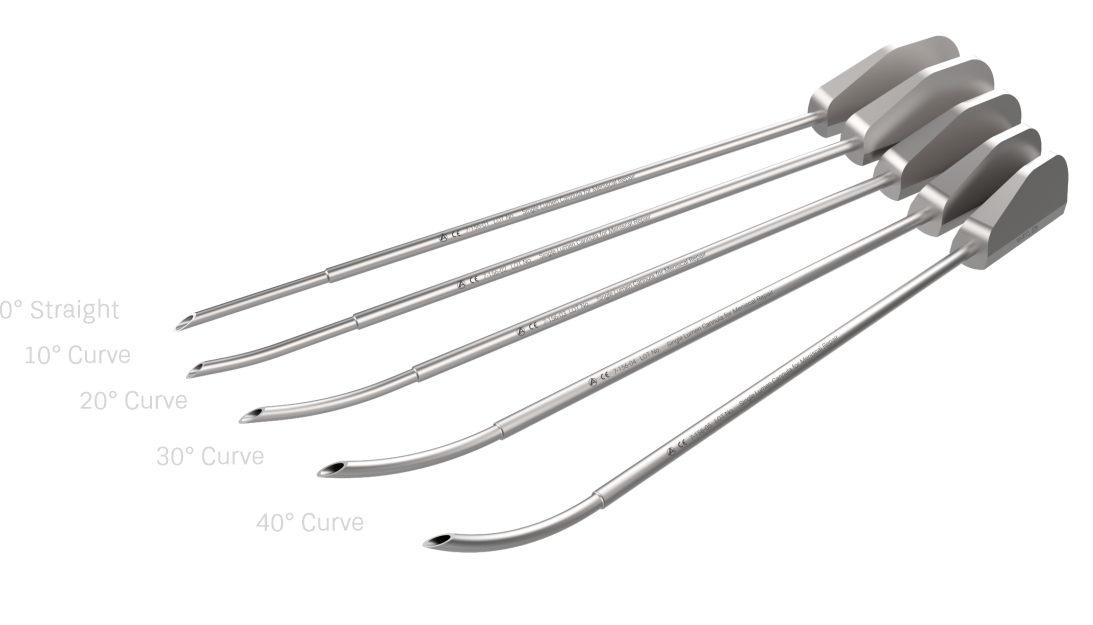
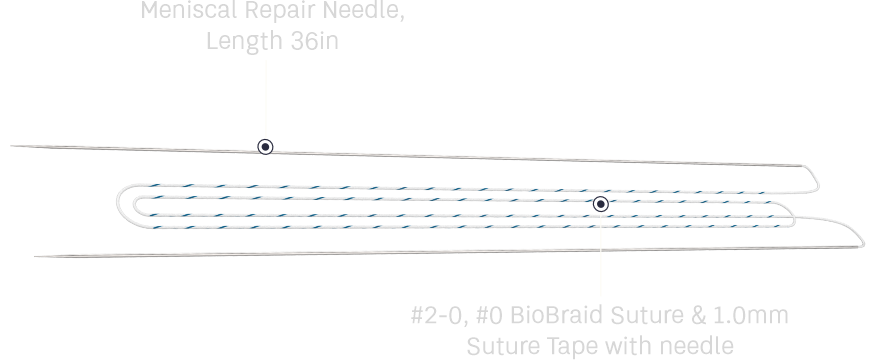
All-Inside Repair Technique: Used for posterior horn and vertical tears. Minimally invasive and highly efficient. Auxein Solution: MENI-FIX® All-Inside System featuring 2 PEEK anchors with #2-0 UHMWPE BioBraid sutures, adjustable penetration depth, and multiple angled needle configurations for precise delivery.
Inside-Out Repair Technique: Gold standard for complex, bucket-handle, and mid-body tears with superior fixation strength.
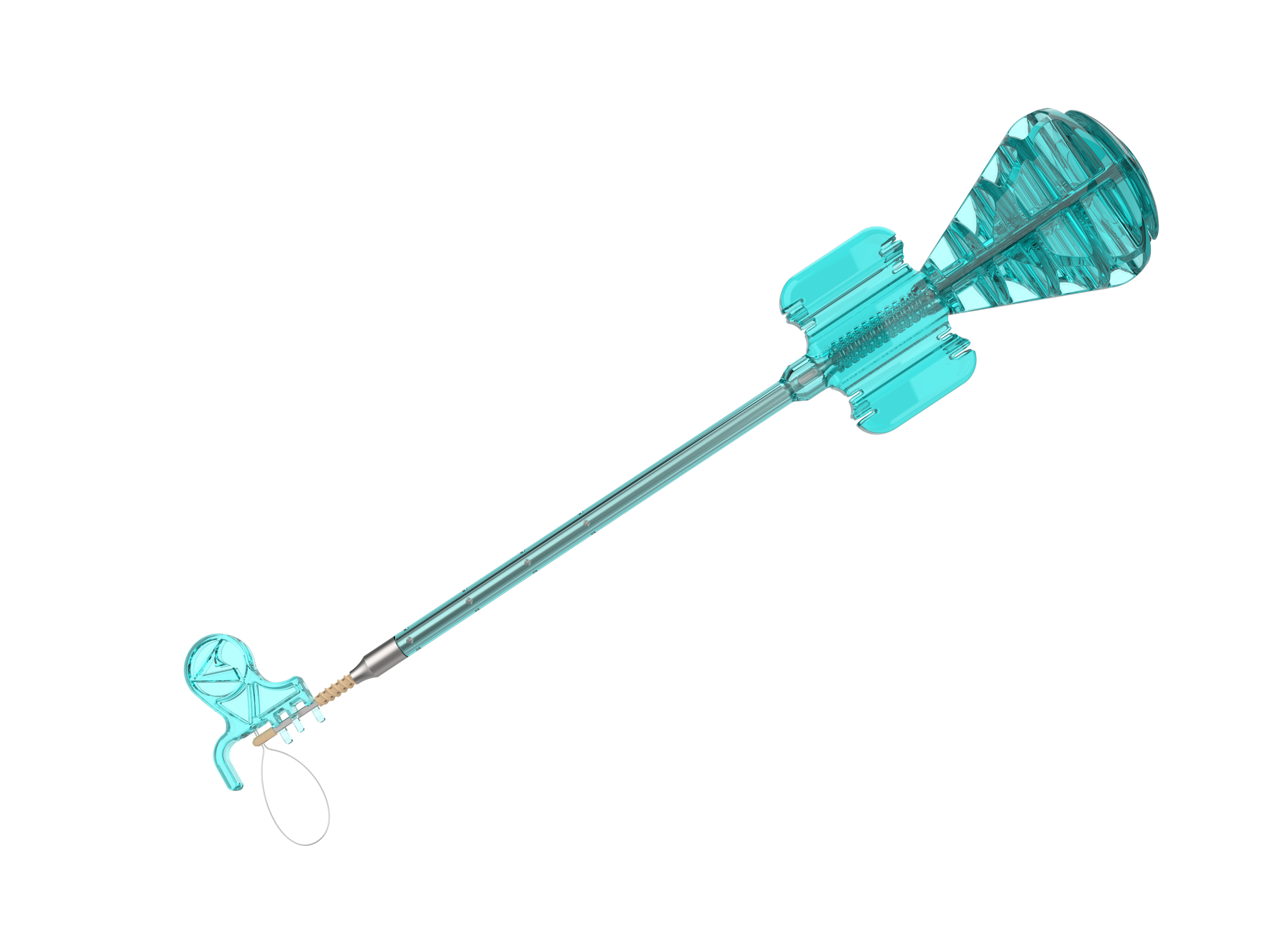
Auxein Solution: AUXILOCK® Menisco Inside-Out System with controlled suture delivery, cannula guidance, and enhanced fixation strength.
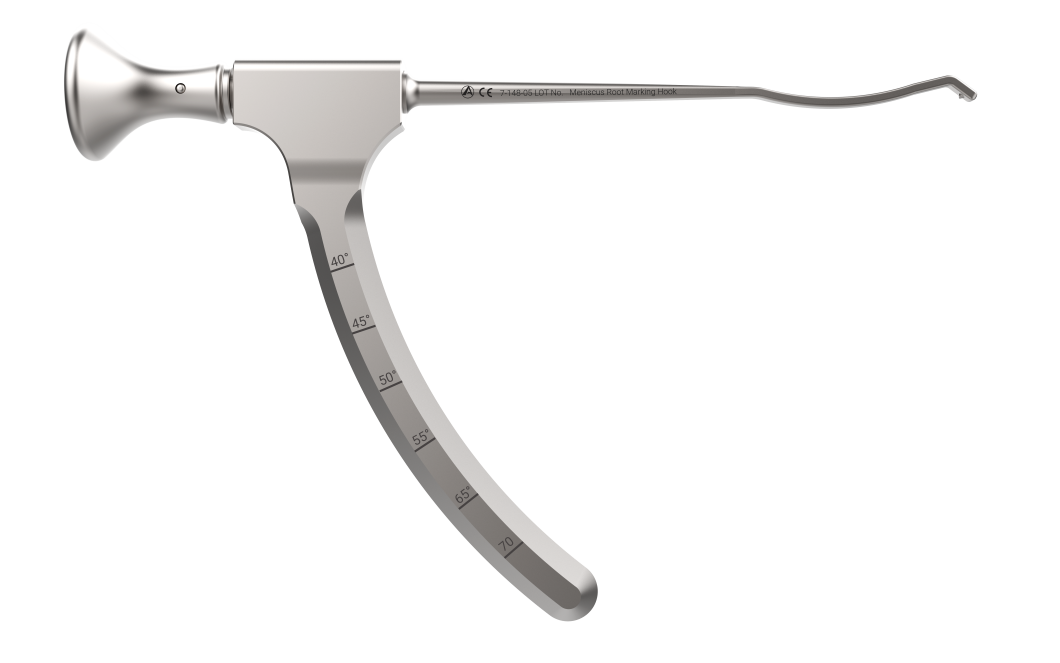
Meniscal Root Repair: Critical for restoring hoop stress in radial/root tears. Untreated root tears biomechanically mimic total meniscectomy. Auxein Solution: Meniscus Root Marking Hook with 360° rotation and BioBraid loop for anatomical fixation and stability.
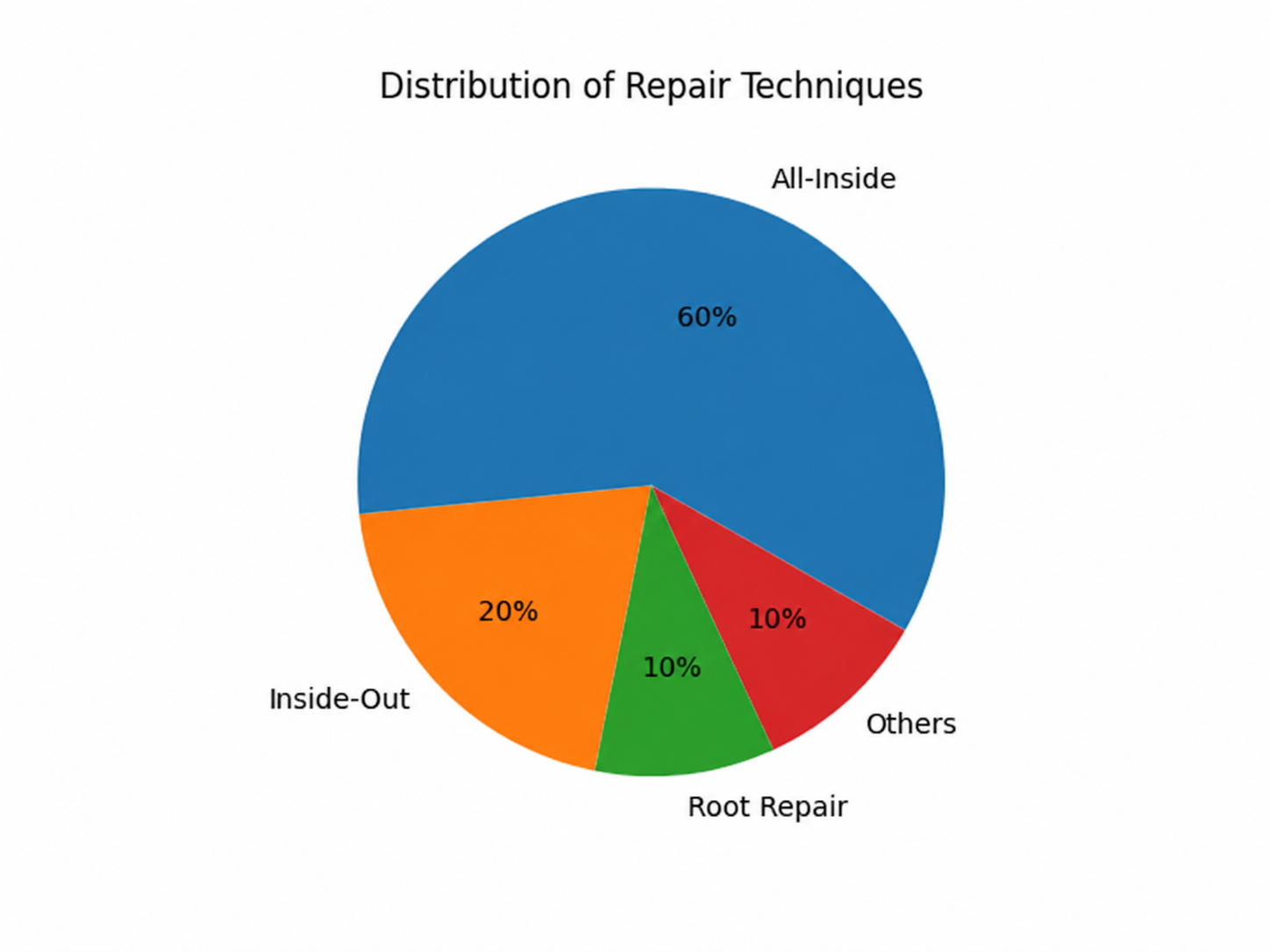
Figure 2: All-Inside and Inside-Out dominate, with increasing adoption of Root Repair techniques.
Meniscal Root Repair: Critical for restoring hoop stress in radial/root tears. Untreated root tears biomechanically mimic total meniscectomy. Auxein Solution: Meniscus Root Marking Hook with 360° rotation and BioBraid loop for anatomical fixation and stability.
4. Post-Meniscectomy Syndrome
PMS is characterized by persistent pain, swelling, and functional limitation due to increased joint stress and cartilage degeneration following meniscal loss.
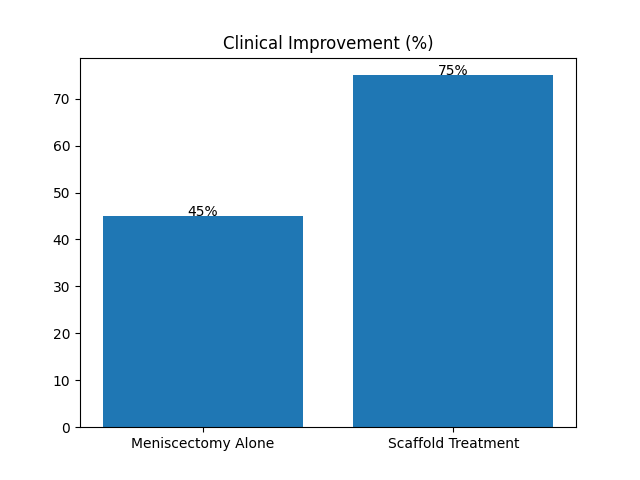
Figure 3: Scaffold-based treatments provide superior outcomes vs meniscectomy alone.
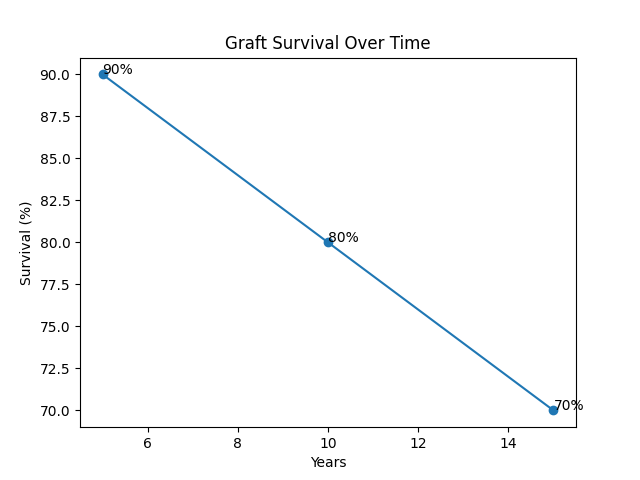
Figure 4: Meniscal graft survival remains strong at mid-term follow-up.
6. Role of Osteotomy
Osteotomy corrects malalignment and is essential in cases of compartment overload. Combined procedures improve long-term outcomes.
Conclusion
Meniscal preservation is essential for long-term joint health. Integration of advanced repair techniques with Auxein’s solutions enables restoration of biomechanics and prevention of PMS. A comprehensive approach combining repair, restoration, and mechanical correction ensures optimal patient outcomes.