Groß-Gerau, Germany | 10–11 July 2026
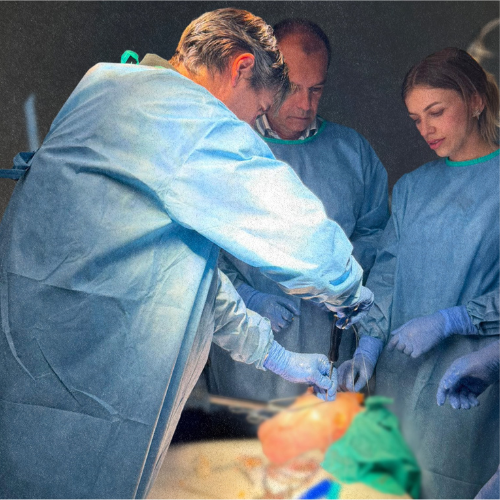
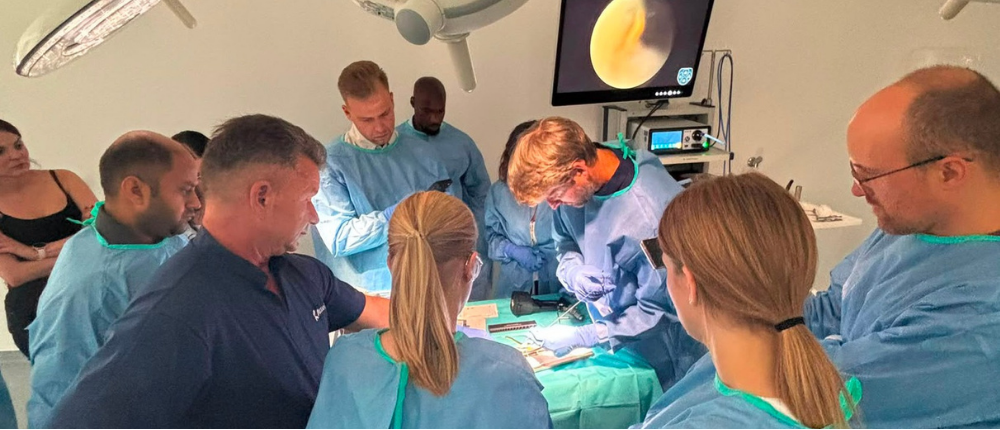
Auxein Advance successfully conducted the DAIS Sports Medicine Cadaveric Course at the Nano Medical Training Centre in Groß-Gerau, Germany, on 10 and 11 July 2026.
The advanced educational programme brought together surgeons from Germany and Poland, international faculty members and partners from the United Kingdom for two days of practical training, scientific discussion and collaborative learning.
Developed under a competency-based medical education framework, the course focused on advanced knee and shoulder arthroscopy techniques. It combined expert-led instruction with high-fidelity cadaveric simulation, enabling participants to practise complete surgical workflows in a controlled and realistic learning environment.
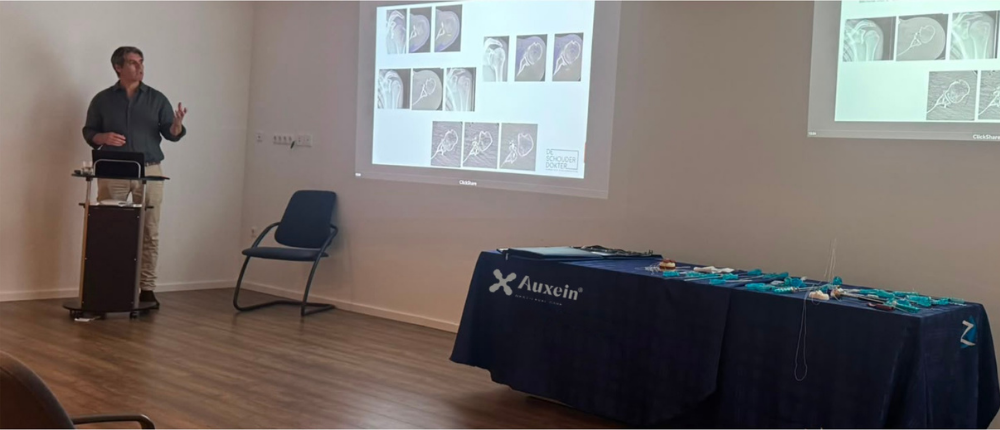
The programme reflected Auxein’s continued commitment to strengthening orthopaedic education through practical exposure, clinical collaboration and advanced surgical technology.
Rather than limiting learning to lectures and observational demonstrations, the course encouraged participants to actively perform complex procedures under faculty supervision. Surgeons received immediate technical feedback while practising patient positioning, portal placement, diagnostic arthroscopy, therapeutic procedures and implant insertion techniques.
This hands-on approach enabled participants to connect scientific concepts with practical surgical execution.
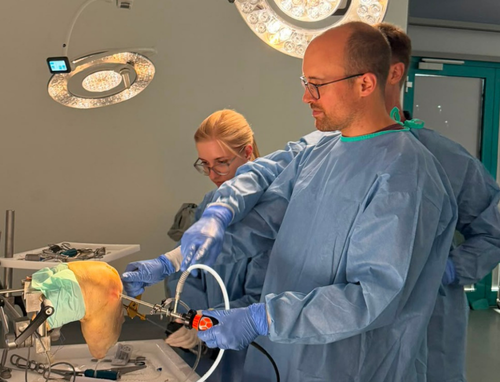
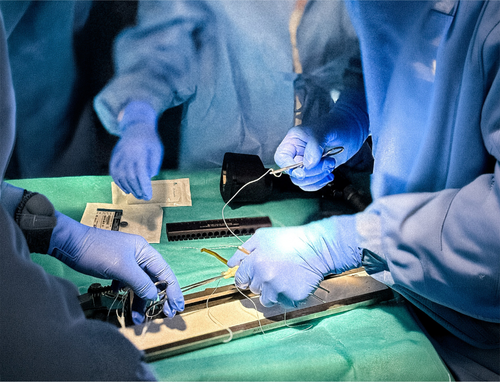
The course was led by Dr. Boris from Slovenia, a former President of the European Shoulder Associates, and Dr. Pol from the Netherlands.
The faculty members guided participants through advanced joint procedures using cadaveric simulation. Their instruction combined clinical experience, procedural demonstrations and real-time feedback, helping surgeons refine their understanding of complex knee and shoulder techniques.
The programme created an environment in which participants could repeat procedures, evaluate their technique and correct potential errors before applying new approaches in a clinical operating room.
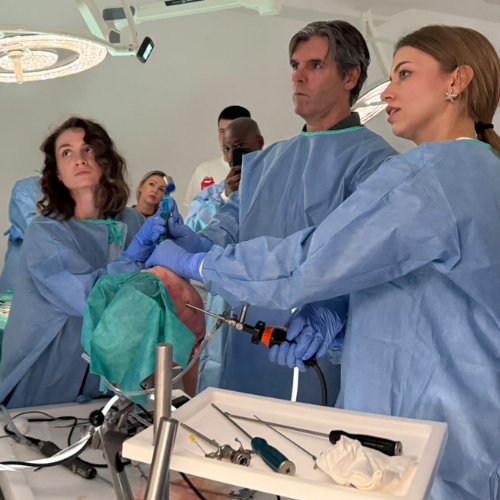
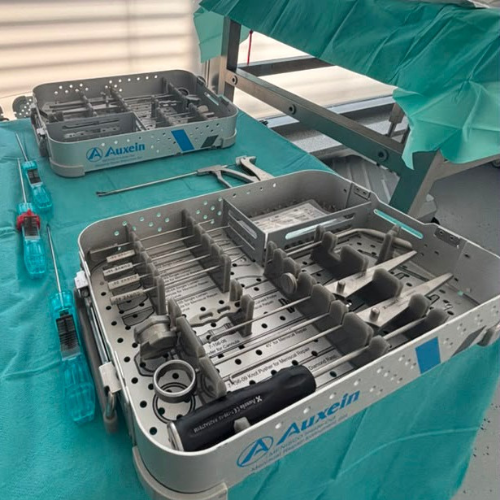
Cadaveric training is one of the most realistic methods available for procedural skill development in orthopaedic surgery.
It preserves natural anatomical relationships and structural variations, giving surgeons an opportunity to understand anatomy in a setting that closely represents actual surgery. Participants can experience realistic tissue handling, joint movement and biomechanical resistance while performing procedures.
High-fidelity simulation is particularly valuable in arthroscopic surgery, where surgeons operate within limited spaces and depend on precise spatial orientation, instrument control and anatomical understanding.
The DAIS masterclass focused on four key areas of learning:
Experiential Learning
Participants actively performed surgical procedures rather than only observing demonstrations. Repeated practice, combined with faculty feedback, supported the development of technical confidence and procedural understanding.
Anatomical Fidelity
The cadaveric model allowed participants to study native anatomical relationships and normal structural variations relevant to knee and shoulder surgery.
Realistic Tissue Handling
Surgeons experienced tissue response and biomechanical resistance that closely resemble live surgical conditions, helping them understand the practical challenges involved in each procedure.
Improved Technical Performance
The structured format allowed participants to focus on procedural accuracy, tunnel positioning, implant placement and overall operative efficiency.
Advanced Knee and Shoulder Arthroscopy Training
The scientific curriculum required participants to work through complete operative workflows, from initial positioning and portal placement to diagnostic assessment, repair procedures and implant insertion.
The practical modules were integrated with Auxein’s sports medicine portfolio, connecting biomechanical principles with surgical application.
The knee surgery modules covered:
Participants examined how accurate tunnel positioning, graft placement and repair technique can influence joint stability and procedural outcomes.
The shoulder surgery modules included:
These modules enabled participants to practise complex reconstructive techniques while receiving guidance on procedural planning, positioning and implant application.
Beyond technical training, the DAIS Cadaveric Course served as a platform for international knowledge exchange.
Surgeons from different healthcare systems worked alongside one another, sharing surgical techniques, case experiences and clinical decision-making approaches. The collaborative format encouraged open discussion around procedural challenges and possible solutions.
By bringing together surgeons, educators, researchers and industry specialists, the programme supported a broader exchange of ideas across clinical practice, medical education and product development.
The course also created an opportunity for direct collaboration between clinical innovators and the Auxein Research and Development team.
During the workshop, Dr. Boris and Dr. Pol demonstrated several instruments developed through clinical research and procedural experience, including:
The demonstrations allowed participants and the Auxein team to examine the practical application of these instruments within different surgical workflows.
This interaction between clinicians and researchers is important for understanding real-world procedural requirements and identifying opportunities for further product and instrument development.
The DAIS education framework is designed to support improved patient outcomes through greater surgical precision and structured skills development.
Bioskills training can help surgeons develop greater consistency while adopting new procedures and technologies. It also allows them to evaluate procedural steps and implant positioning in a supervised environment before applying the techniques in clinical practice.
The intended benefits of structured surgical training include:
These areas are particularly important in arthroscopic surgery, where precision, visual orientation and instrument control are essential.
Through Auxein Advance and the Division of Auxein Institute for Surgeons, Auxein Medical continues to support the shift from observational learning towards active skills acquisition.
The educational approach combines:
This model allows surgeons to develop practical skills while engaging with faculty members, researchers and peers from different regions.
The successful German masterclass reflects Auxein’s ongoing commitment to advancing orthopaedic education and surgical excellence.
Through future DAIS courses, Auxein aims to continue building a global educational platform that connects surgeons, researchers, educators and industry partners.
These initiatives support the exchange of clinical knowledge, the development of practical surgical skills and the responsible adoption of advanced orthopaedic technologies.
Auxein Medical offers more than 3,000 orthopaedic solutions across over 75 countries, supporting healthcare professionals and patients through a growing global network.
Stay Updated on Upcoming DAIS Courses
Auxein will continue to organise educational programmes, workshops and training courses focused on orthopaedic surgery, sports medicine and advanced procedural skills.